










Climate change is global, solutions need to be too.
Record breaking temperatures this year as well as historic floods have underlined the urgent need for concerted action by global asset allocators to create a 'Save My World' Bucket in their investment portfolios.
The coal and oil that fuelled growth and security may be being replaced with green energy in the West but the rest of the world will continue to rely on dirty energy. So if developing countries cannot cut back on carbon emissions quickly, gains made in richer countries will be overwhelmed by higher emissions elsewhere. Since poorer but rapidly growing countries do not have the financial resources to keep up the green energy race, climate disasters will continue to devastate the world.
To solve this global problem will require a universal solution too. The huge stock of wealth in richer countries could be tapped to redress the balance
Not just Governments but businesses, pensions, foundations and endowments could commit just 1% of their funds to invest in potential climate solutions for the developing world.
We call it the ‘SaveMyWorld’ investment allocation bucket.
Time is Running Out for Climate Action
Who will fund the world's needed response to Climate Change? An allocation of just 1% by pension funds and SWF would avert a global crisis.
As we look back on the year 2023 and as we look forward to 2024, we see some similar worries, similar expectations, some hope and newer concerns.
Industrialisation Induced Climate Chaos
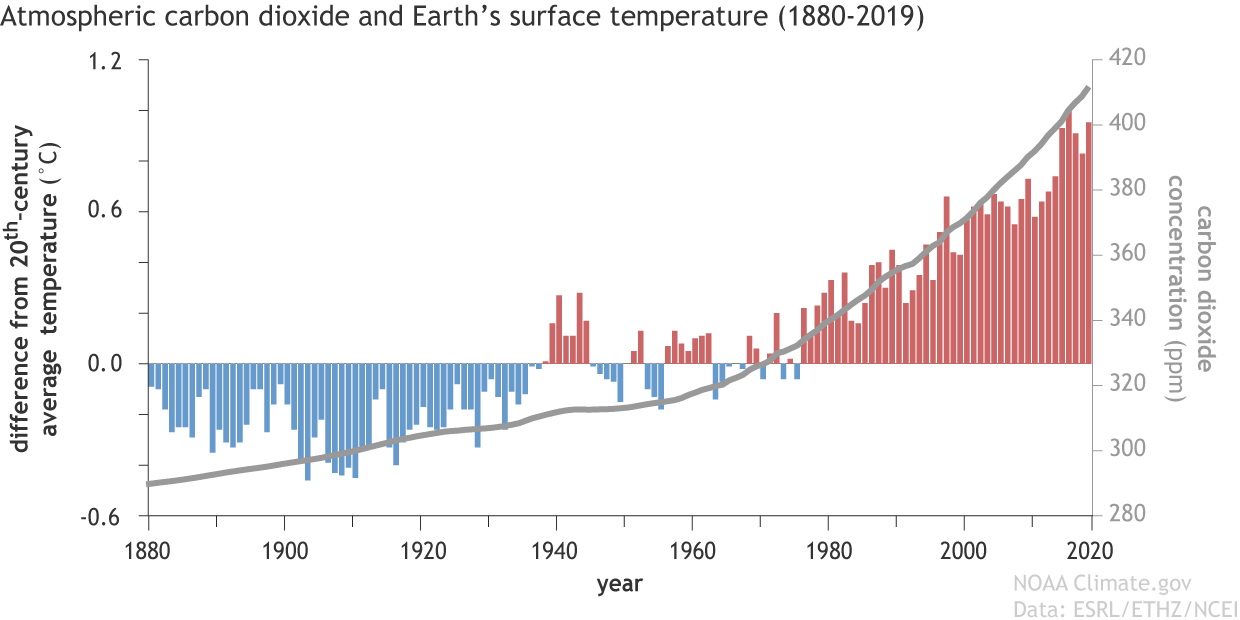
The Developed World’s consumption patterns account for around 90% of greenhouse gases emitted since the Industrial Revolution. The UN IPCC report just published pre-COP26 says we are even closer to a climate emergency than previously thought and turning this around could take centuries!
AUM $9.7 Mn, Capacity $5 Bn
Climate Disasters Proliferate
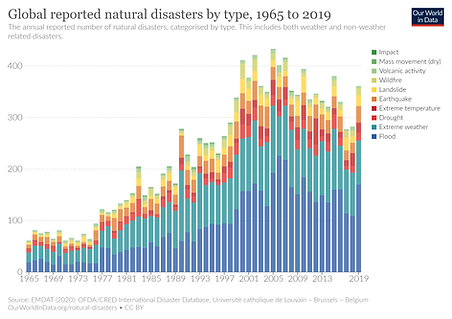
This year’s hugely destructive droughts, deluges, floods and fires across the World are already telling us we do not have that time. Climate related disasters are global - they do not discriminate on the basis of nationality or respect borders.
Emerging Markets Fuel Global Growth
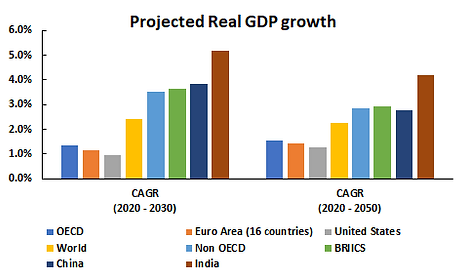
Richer countries are now racing to replace fossil fuels with renewables in the quest for GHG reduction targets. Poorer countries do not have the resources to keep up with that race, much as many are trying. This too when they also have legitimate aspirations for economic growth from their growing populations

Why Adani demonstrates the G should come first in ESG at least in India
The Adani situation and its potential impact on India's reputation and financial system.

Eyewash, Hogwash and Greenwash (EHG) – The Trilemma of ESG Investing
We examine a growing trend amongst corporations: a diminishing focus on Environmental, Social, and Governance (ESG) initiatives. A recent...

From E to S, India ESG Increasingly Looking at Social Concerns Too
Self-assessment and proactive engagement lead our approach towards a sustainable future, underlining the harmony of 'planet and people'.

2023 - Climate Evidence Will Force a Resurgence in Sustainable Investing
After a challenging year for ESG investing in 2022, marked by setbacks and declining interest, the focus now shifts to 2023. The recent...
Our Strategies
Explore how our two main strategies – Predictable India Equity and India Integrity Equity - with demonstrated success of our tried and tested research and investment processes can ensure your India equity allocation will have higher predictable outcomes and no surprises.
Q India Value Equity Strategy
20+ years of India Long-only, Liquid, High-Governance, Margin of safety = Predictability
Integrity screen since 1996, strategy Track record since 2000.
Q India Responsible Returns Strategy
Liquid, proprietary Integrity Scores, Financial Soundness
Integrity Screen since 1996, enhanced criterion since 2015, strategy Track Record since 2019; strategy AuM: $9.7 mn Mandate Capacity: $5 billion
Quantum Advisors pioneered a quantitative as well as qualitative analytical approach to equity investing in India, providing for the first time, consistently applied valuation metrics to evaluate investment opportunities in India’s emerging stock markets. Over the years, Quantum Advisors has continued and enhanced its tradition of extensive financial analysis and value investing, as it has evolved into an investment advisor and asset manager.
Our investment philosophy and strategy involves the use of intensive qualitative and quantitative fundamental analysis. We build and monitor our clients’ portfolios actively while at the same time avoiding excessive trading, and control risk by endeavoring to keep our clients’ portfolio adequately diversified, both in terms of the sectors included in those portfolios, as well as with respect to the level of concentration in any specific security.